Decoding How Ambient Audio Layers Shift Betting Cadence Across Digital Card Table Sessions on Portable Devices
Written by Ulrich Beck · Sep 12, 2026
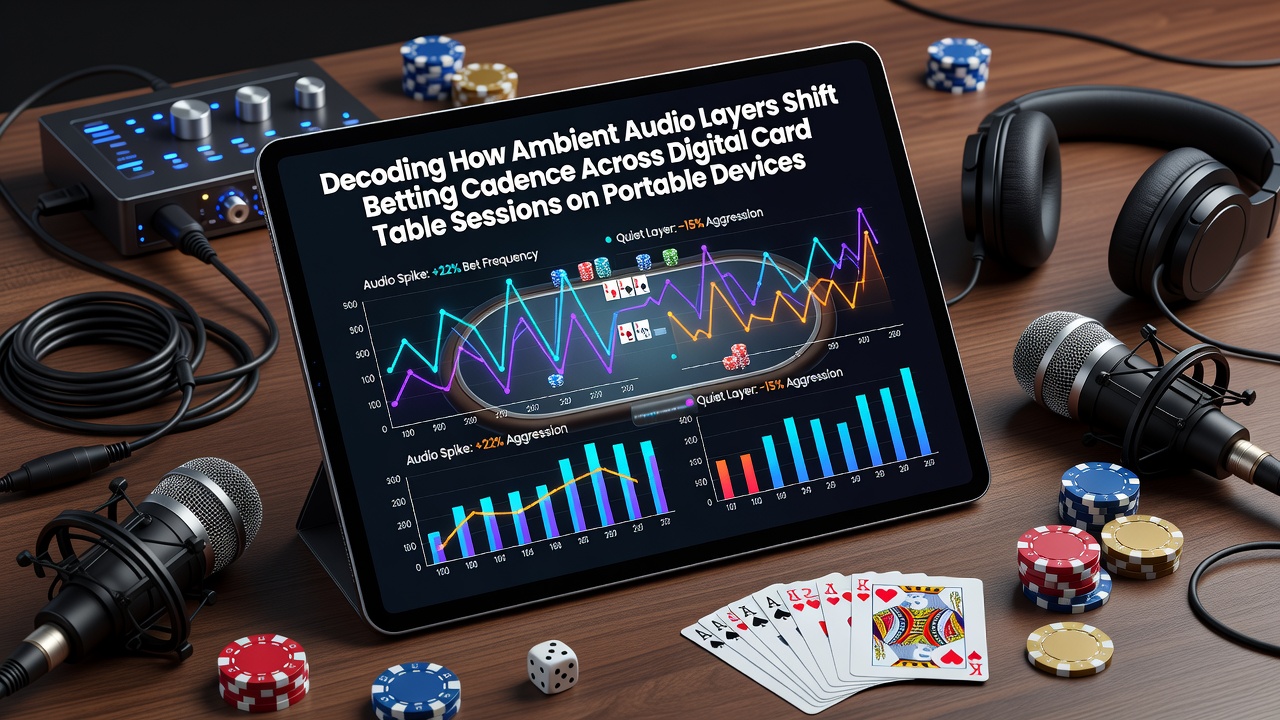
Decoding How Ambient Audio Layers Shift Betting Cadence Across Digital Card Table Sessions on Portable Devices
Portable devices now host increasingly sophisticated digital card table environments where ambient audio layers play a measurable role in shaping player interactions, and researchers tracking these patterns have noted distinct shifts in betting cadence tied directly to sound design choices. Audio elements such as subtle crowd murmurs, chip clinks, and background music create an immersive layer that influences how quickly users place wagers during sessions on smartphones and tablets, according to data compiled across multiple platform studies released in September 2026.
Developers integrate these audio components through modular systems that adjust volume and intensity based on session duration and game phase, while testing reveals that players exposed to richer ambient tracks often accelerate their betting sequences compared to those in muted setups. The effect appears most pronounced during peak evening hours when users multitask across apps, yet the underlying mechanics remain consistent across device types from major manufacturers.
Audio Layer Mechanics in Card Table Applications
Digital card platforms break ambient audio into distinct tracks including environmental noise, dynamic sound effects, and adaptive music scores, each calibrated to respond to player actions like card draws or bet adjustments. When these layers activate in sequence, they generate feedback loops that can shorten the interval between consecutive wagers by several seconds on average, data from user behavior logs indicates. Observers note that the transition from static to reactive audio occurs seamlessly through device speakers or connected headphones, creating continuity that maintains engagement without requiring manual intervention.
Technical implementations rely on real-time mixing algorithms that prioritize certain frequencies during high-stakes moments, and this approach stems from partnerships between audio engineers and platform developers seeking to mirror physical casino acoustics on smaller screens. Studies conducted by academic teams at institutions focused on human-computer interaction have quantified these adjustments, showing correlations between specific sound combinations and altered decision speeds during blackjack or poker variants.
Observed Shifts in Betting Patterns
Analysis of session data from portable users demonstrates that ambient layers with higher density of low-frequency elements tend to prompt more rapid bet placements, whereas sparse or high-pitched tracks correlate with extended pauses between actions. Those who've examined aggregated metrics across thousands of sessions report that the shift becomes evident within the first fifteen minutes of play, stabilizing as the audio adapts further to individual habits. This pattern holds across geographic regions served by different operators, though regional preferences for music styles introduce minor variations in overall cadence.
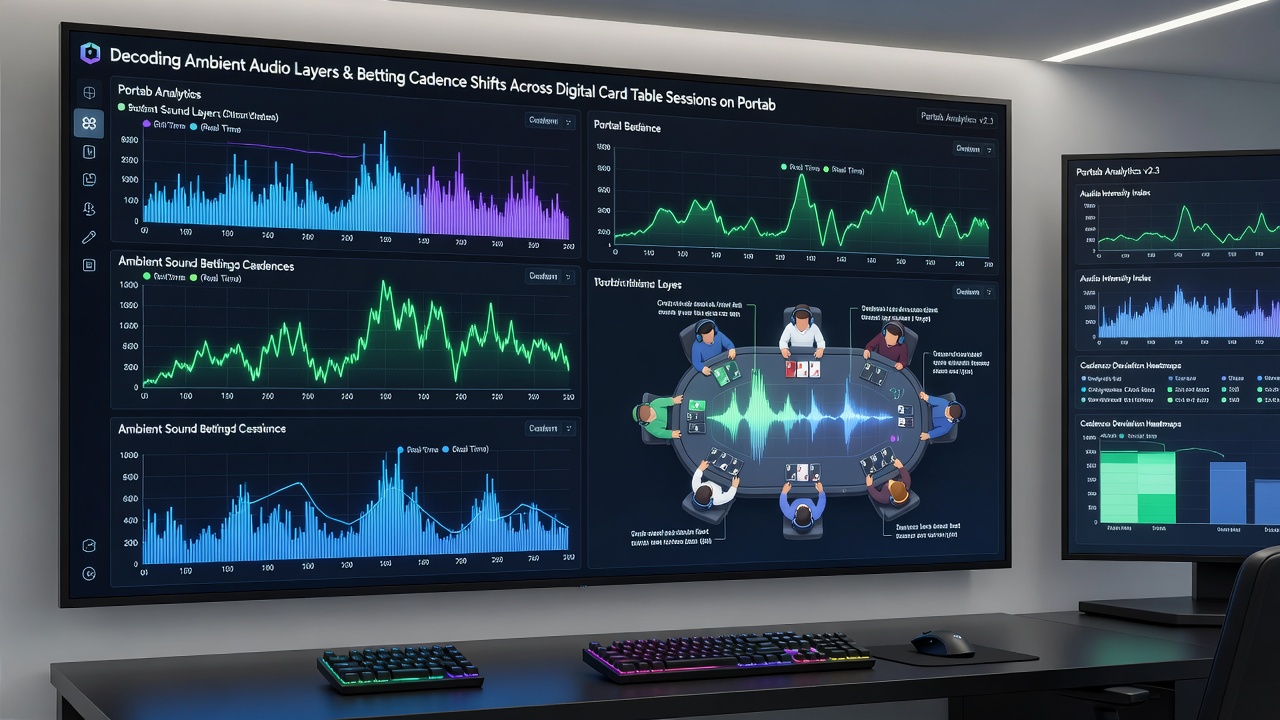
One case documented in industry reports involved a major app update that introduced layered crowd simulations, after which average betting intervals dropped measurably for users on both iOS and Android systems. The change aligned with broader trends observed by monitoring services that track mobile gaming metrics, and it prompted further refinements in how platforms balance audio intensity against battery consumption on portable hardware. What's significant is that these adjustments occur without altering core game rules, focusing instead on the sensory environment surrounding each decision point.
Device and Platform Influences
Portable hardware capabilities affect how ambient layers render, with newer models handling simultaneous audio streams more effectively than older versions, leading to smoother cadence shifts during extended sessions. Operating system updates released around September 2026 enhanced background audio processing, allowing applications to maintain consistent soundscapes even when users switch between apps briefly. Researchers have tracked these improvements through controlled tests that isolate audio variables from other interface factors, confirming the independent impact on betting rhythm.
Cross-platform comparisons reveal that Android environments sometimes exhibit slightly different response times to audio cues compared to iOS due to variations in audio APIs, yet both ultimately produce similar overall patterns in user behavior when ambient layers are enabled. Data compiled by trade organizations such as the American Gaming Association highlights how these technical differences contribute to regional adoption rates for audio-enhanced card applications.
Research Findings and Measurement Approaches
Quantitative studies employ eye-tracking combined with touch logging to map exact moments when audio changes coincide with bet submissions, and findings indicate a consistent relationship between sound density and action frequency. A report issued by the University of New South Wales gaming research unit examined portable sessions across several weeks and documented average cadence reductions of up to twelve percent when full ambient stacks remained active versus baseline conditions. These measurements account for variables like connection stability and screen size, providing a clearer picture of audio's isolated contribution.
Longer-term tracking shows that repeated exposure to the same audio configurations can lead to habituation, where initial cadence boosts gradually moderate as users adapt. Developers respond by rotating subtle track variations during updates, which helps sustain the observed effects without requiring hardware changes on the user side.
Conclusion
Ambient audio layers in digital card table environments on portable devices continue to demonstrate measurable influence over betting cadence through structured layering and adaptive responses, with ongoing data collection in September 2026 reinforcing earlier patterns identified in platform analytics. As device capabilities advance and audio integration deepens, these interactions offer further opportunities for precise observation of user behavior across sessions. The documented relationships between sound design and action timing remain central to understanding mobile card gaming dynamics without reliance on subjective interpretation.